


Jake Shenker is a clinical psychologist in Montreal, Quebec, Canada.
Jake works from an integrative, patient-driven style that draws upon diverse techniques and is grounded on strong evidence-based frameworks.
Jake is a member of the Ordre des psychologues du Québec (OPQ)
Psychotherapy is about learning to look inwards.
Most people come to therapy because they are suffering. They are sad, scared, angry, unfulfilled, or lost. They want to feel better, to live a more comfortable or satisfying life. This is where we begin, with one question:

“What’s the matter?”
I meet my clients and their suffering with warmth and openness, but also curiosity. Together, we focus on the presence and effects of overt symptoms, but also on how and why certain feelings, behaviours, and beliefs developed over time. If something doesn’t make sense, we work together to figure it out, and this collaboration helps me understand my clients and offer my best thinking. I invite my clients to share in my curiosity, to look inwards:
“Why did I behave that way?”
“Why was I feeling so angry, scared, or sad?”
“How did I learn to interpret the world like this?”
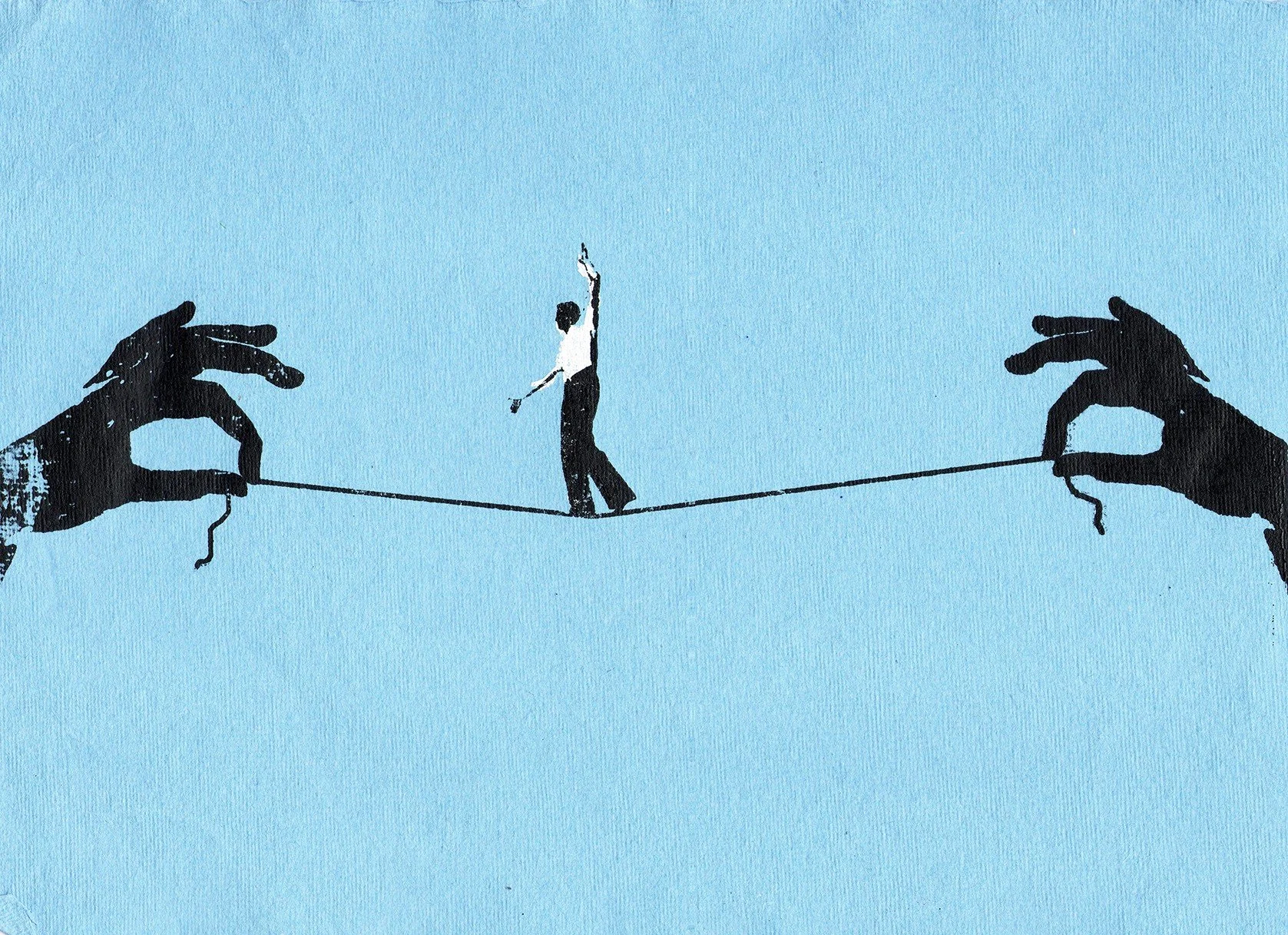

Therapy usually starts with a focus on what brought you in – what’s the matter? – and an exploration of the associated thoughts, emotions, physical sensations, and behaviours. From there, I pull from the most relevant tools – regardless of the abbreviation on which they are based – to guide each client. Throughout, I strive to maintain a strong rapport bolstered by validation, collaboration, and transparency, and clients and I work together to look inwards, to understand the how and why of their feelings and actions.
While my clinical orientation might be termed ‘integrative,’ I prefer to think of it as ‘patient-driven.’ The central tenet guiding my approach to therapy is that each person sitting across from me is unique. My job is to decipher the puzzle that shapes each individual – their motivations, thoughts, emotions, and experiences – and to guide them in selecting which puzzle pieces to keep, which to alter, and which to discard.